
Search Edgefield County Traffic Court Records
Traffic cases in Edgefield County are most often handled by Magistrate Court or by Municipal Court for city or town tickets. Serious criminal traffic matters, such as DUI, may move beyond routine traffic processing and into a criminal case path. The county Magistrate page links users toward Public Index and online payment channels for traffic and criminal payments, while SC.gov and the Judicial Branch provide statewide ticket lookup paths.
- Identify the issuing court or police agency on the ticket before searching.
- Use the citation number when available because it is the cleanest match.
- If the ticket number is missing, use the SC Judicial Branch traffic ticket search by name or driver's license.
- If the ticket is recent, allow the SC.gov logging window before assuming no record exists.
- Contact the issuing court before paying if you plan to contest the charge or need to know license consequences.
The South Carolina FOIA code chapter is one public-record baseline, but court traffic records also follow judicial access and court-specific payment rules.
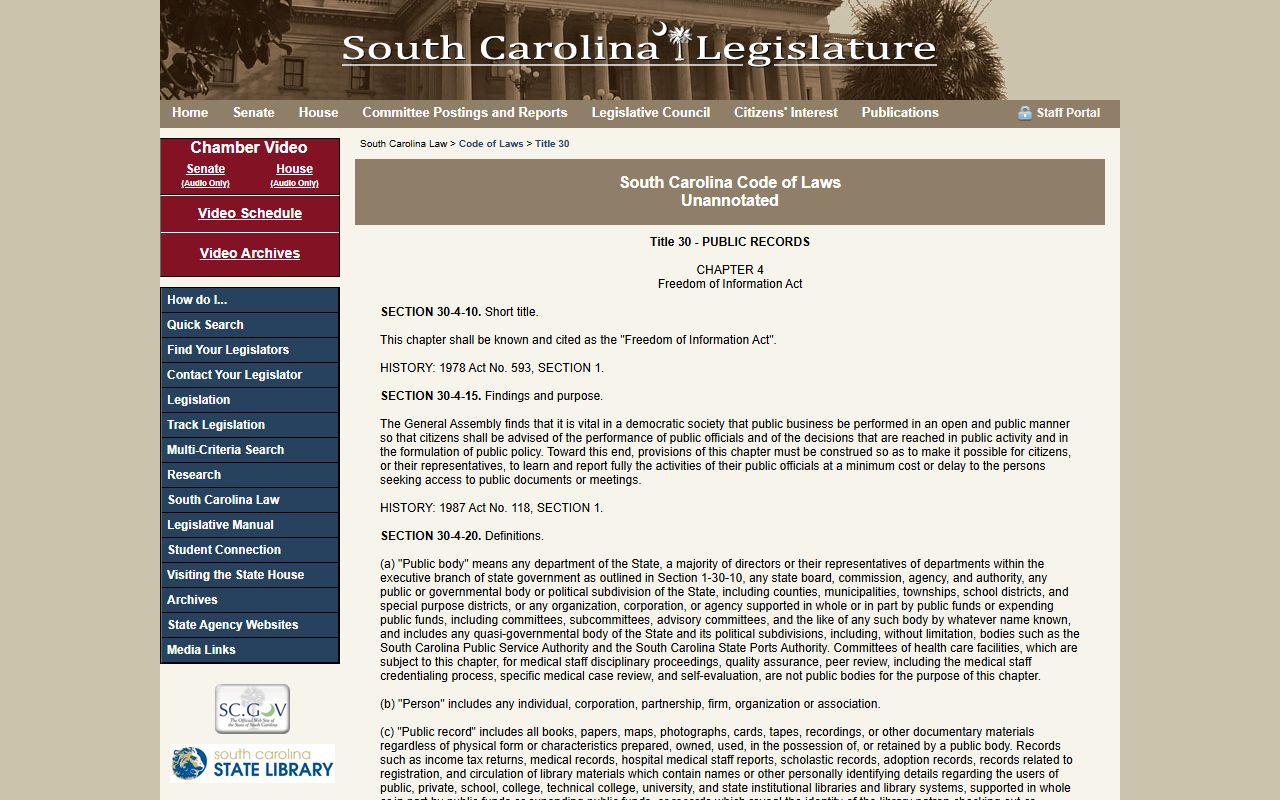
Open-records law helps frame access, while the ticket court remains the source for payment, plea, and hearing instructions.
Edgefield County Traffic Courts
The local Magistrate Court page says the Magistrate's Office has jurisdiction over many misdemeanor criminal and traffic charges, generally where the penalty is a maximum of 30 days in jail or a fine. Municipal citations may belong to the issuing town or city court, and some Municipal Court records are available in Public Index. A citation issued inside Edgefield, Johnston, or another town may not follow the same route as a county Magistrate ticket.
| Court or Channel | Traffic Cases Handled | Contact |
|---|---|---|
| Edgefield County Magistrate Court | Many county misdemeanor traffic and criminal charges | 264 Star Road, Suite B; 803-637-4052 |
| Municipal Court | Town or city-issued traffic and ordinance matters | Check the issuing municipality or police agency. |
| General Sessions | Serious criminal traffic cases when filed as higher criminal matters | Clerk of Court and Public Index case channels. |
| SCDMV | Driver license, conviction, point, and suspension record | Separate state driver-record services. |
Edgefield County Traffic Search Fields
The county Magistrate page confirms that online payments for traffic and criminal cases may be made by credit card, and it points users toward the court payment path. SC.gov says users select the issuing county or municipality, accept the disclaimer, enter the case or ticket number, and enter the last name. The case number and ticket number are the same for that payment flow.
| Step or Field | Type | Required | Options or Format Notes |
|---|---|---|---|
| County or municipality | Selection or link list | Yes | Select the county or municipality that issued the ticket. |
| Disclaimer acceptance | Acknowledgement | Yes | Required before lookup in payment flow. |
| Case number or ticket number | Text | Yes | Enter without spaces; SC.gov says the numbers are the same. |
| Last name | Text | Yes | Used with case or ticket number. |
| Locate Case | Button | Yes | Runs the case lookup. |
| Email address | Email or text | Optional | Used for emailed receipt. |
SC.gov says tickets usually take 3 to 5 business days to be logged in the system. It also instructs users to enter the case or ticket number without spaces. If the system reports no records found with the last name and case number, contact the county or municipality that issued the ticket.
Edgefield County Traffic Citation Lookup
The SC Judicial Branch Traffic Ticket Search covers South Carolina Summary Court traffic tickets and allows search by citation number, driver's license, or name. This is useful when the ticket number must be found before payment, or when the issuing court is not clear. Some Municipal Court traffic-ticket records are available, but nonappearance in a state search does not prove no municipal case exists.
| Search Mode | Field Label | Type | Required |
|---|---|---|---|
| Search by Citation | Citation Number | Text | Yes |
| Search by Driver's License | Driver's License | Text | Yes |
| Search by Driver's License | State | Dropdown | Yes |
| Search by Name | First Name | Text | Yes |
| Search by Name | Last Name | Text | Yes |
| Search by Name | Date of Birth | Date | Yes |
Edgefield County Traffic Record Details
A traffic court record is the court file for a citation or charge. It can show the ticket number, charge, statute, court date, plea, disposition, fine and cost balance, failure-to-appear events, and any bench warrant activity if the court records it. A driver record is different. It reflects license status, convictions reported to SCDMV, points, suspensions, and CDL consequences.
| Field | What It Shows |
|---|---|
| Ticket or case number | The identifier used for lookup and payment. |
| Defendant name | The person charged by the citation. |
| Charge or statute | The alleged traffic offense or legal citation. |
| Court date | The scheduled hearing, trial, or appearance date. |
| Disposition | The current or final outcome, such as paid, dismissed, guilty, or other court result. |
| Fine and costs | Amounts due when the payment system can locate a payable case. |
| Failure to appear | Events that may lead to bench warrant or further court action. |
Pay or Contest Edgefield County Traffic Tickets
Edgefield County Magistrate Court publishes concrete payment rules. Payments for criminal and traffic charges may be made in person by cash, credit card, money order, or cashier's check. Payments by mail may be made by money order or cashier's check. Online traffic and criminal payments may be made by credit card. The office cannot accept payments over the telephone.
| Payment or Action | Official Detail Found |
|---|---|
| In-person payments | Cash, credit card, money order, or cashier's check. |
| Mail payments | Money order or cashier's check. |
| Online payments | Credit card for traffic or criminal cases where eligible. |
| Phone payments | Not accepted. |
| Specific traffic fine schedule | No official amount located in inspected Edgefield sources. |
| Copy fee for traffic case | No official amount located in inspected Edgefield sources. |
Payment is not the same as contesting the citation. Paying may create a conviction or disposition that is sent to SCDMV and may affect points, insurance, CDL standing, or license status. Call the issuing court before paying if a not-guilty plea, continuance, trial date, traffic education request, or legal review is needed.
Traffic Court Records vs Driver Records
The court traffic record and the state driver record are separate files. The court record comes from Magistrate Court, Municipal Court, Public Index, or the Clerk when a serious traffic case becomes a criminal case. The driver record comes from SCDMV and shows license status, convictions reported to DMV, points, suspensions, and related driver consequences.
| Record Type | Source | What It Shows | How to Access |
|---|---|---|---|
| Court traffic record | Magistrate, Municipal, Public Index, or Clerk | Citation, charge, court date, plea, disposition, fine, costs, failure to appear | Issuing court, Public Index, or payment lookup |
| State driver record | SCDMV | License status, convictions, points, suspensions, CDL effects | SCDMV driver-record services |
SCDMV says traffic convictions are sent to SCDMV and posted to the driver record, and some violations carry points. SCDPS directs Uniform Traffic Ticket payment questions to the city or county where issued and points people to the Judicial Branch ticket search when the ticket number is needed.
Edgefield County Traffic Access Laws
Traffic court records sit within South Carolina's public-record and judicial-record framework. FOIA supports access to public records unless an exemption applies. Rule 610 governs public access to judicial records and places limits on compiled or bulk judicial-record distribution for commercial use. Rule 41.2 requires redaction of specified personal identifiers in court filings.
The Judicial Branch Rule 610 page is directly relevant when traffic records are treated as judicial records rather than ordinary agency files.
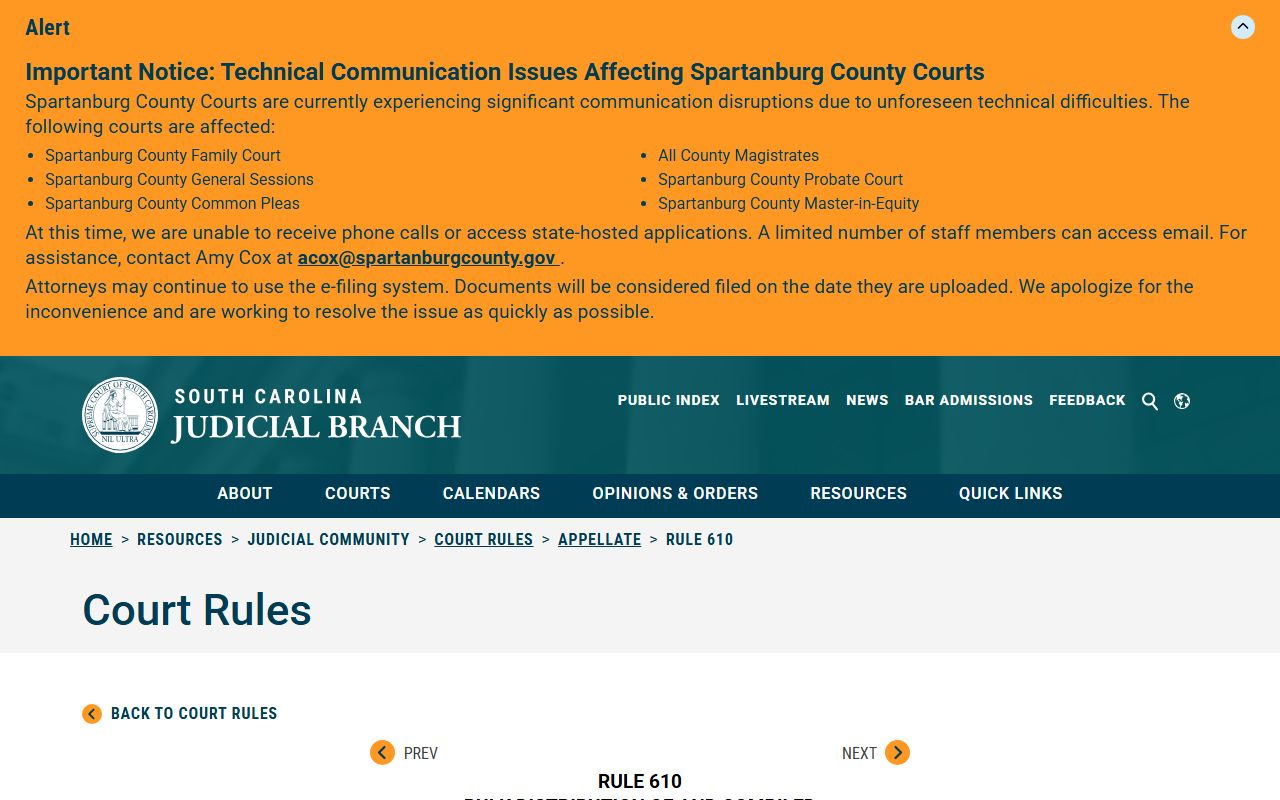
Rule-based judicial access explains why court records can have different limits from a simple public-records request.
The Rule 41.2 redaction page supports the removal of sensitive identifiers from filed court material.
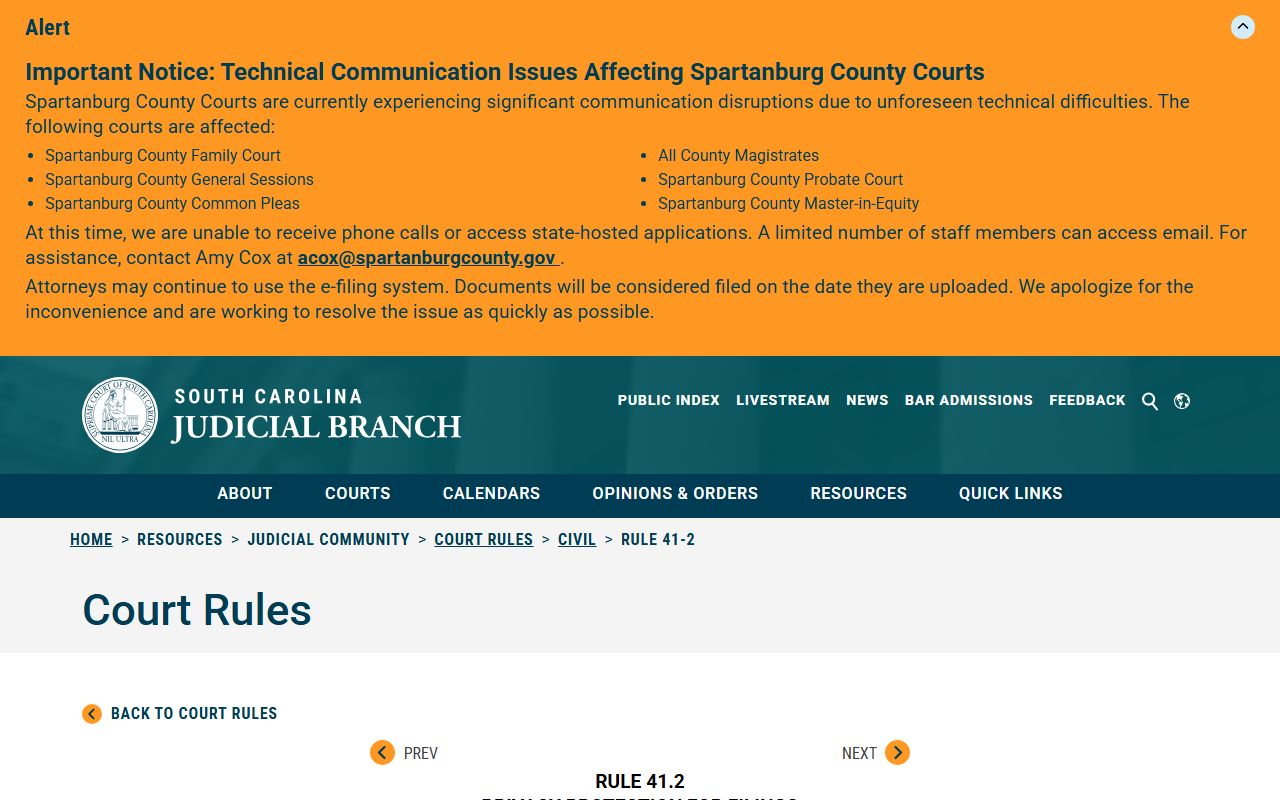
Redaction rules are why a public traffic docket may omit details that still exist in the court file.
Edgefield County DUI and CDL Records
DUI and other serious traffic charges may route as criminal matters, not simple traffic tickets. A court payment lookup is not the right way to judge the full effect of a DUI charge, and the court file may need to be checked through criminal court channels. For serious traffic charges, use Edgefield County criminal court records for the case file and disposition path.
CDL drivers and out-of-state drivers should be cautious before paying. A traffic conviction can be reported to SCDMV and may affect license status, points, commercial driving privileges, or insurance. The court cannot be treated as the only record keeper once a conviction is reported to the driver-record system.
The criminal-record removal statute page matters when some traffic-related criminal outcomes later raise expungement questions.
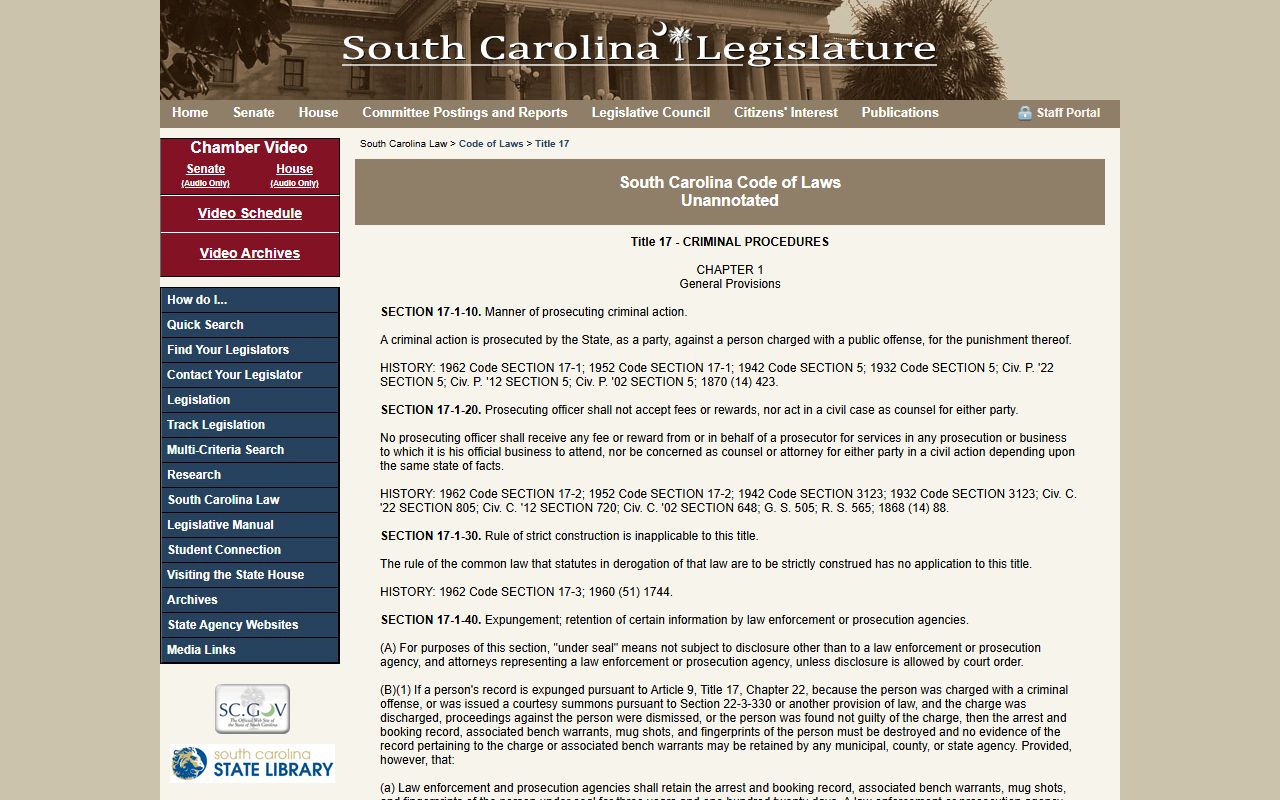
Dismissed or nolle prossed criminal traffic matters should be checked against the court and expungement route, not just ticket payment status.
Edgefield County Traffic Dismissal Paths
The South Carolina Traffic Education Program is described by the Judicial Branch treatment-court material as a diversion program for eligible traffic offenses punishable by a fine and loss of four points or less. Successful completion can allow eligible tickets to be dismissed. Eligibility is not automatic, and the issuing court or solicitor-related program rules should be checked before assuming a ticket can be kept off the driver record.
Expungement and removal rules depend on the court, charge, disposition, and statutory route. General Sessions, juvenile, and many eligible criminal expungements go through the 11th Judicial Circuit Solicitor, while some Magistrate and Municipal Court matters follow summary-court processes. Juvenile traffic matters can also be confidential or handled differently depending on age and offense type.
The Uniform Expungement Administration statutes help explain solicitor-administered routes for eligible criminal-record cleanup.
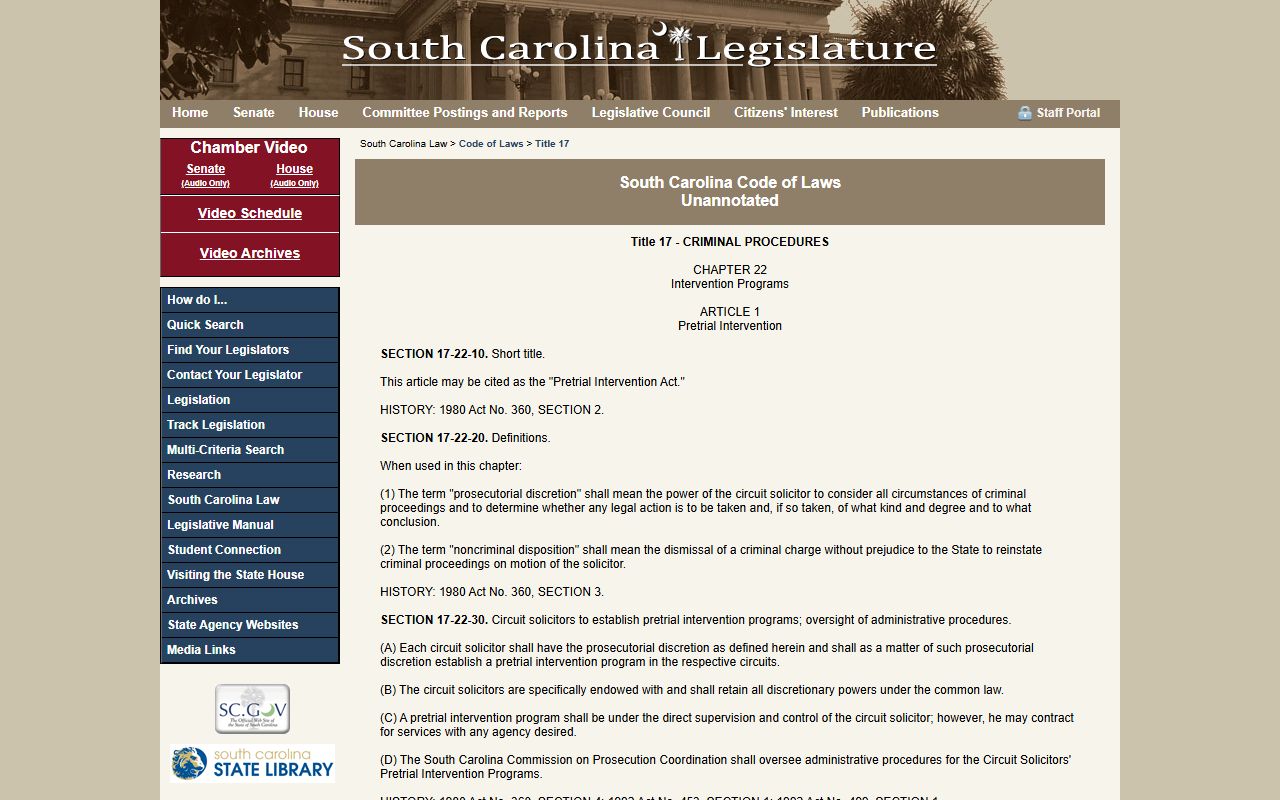
Expungement rules do not erase the need to confirm the court disposition and the driver-record effect.
Edgefield County Crash and Citation Records
A crash report is not the same thing as a traffic court case. The court record tracks the citation, charge, plea, hearing, fine, and disposition. A crash report is a law-enforcement or public-safety record. If a crash produced no citation, there may be a crash report but no traffic court case. If a citation was issued after a crash, both records may exist through different offices.
The South Carolina marriage-license statute page illustrates a source-type caution: an official statute page is useful only when it matches the record being searched.
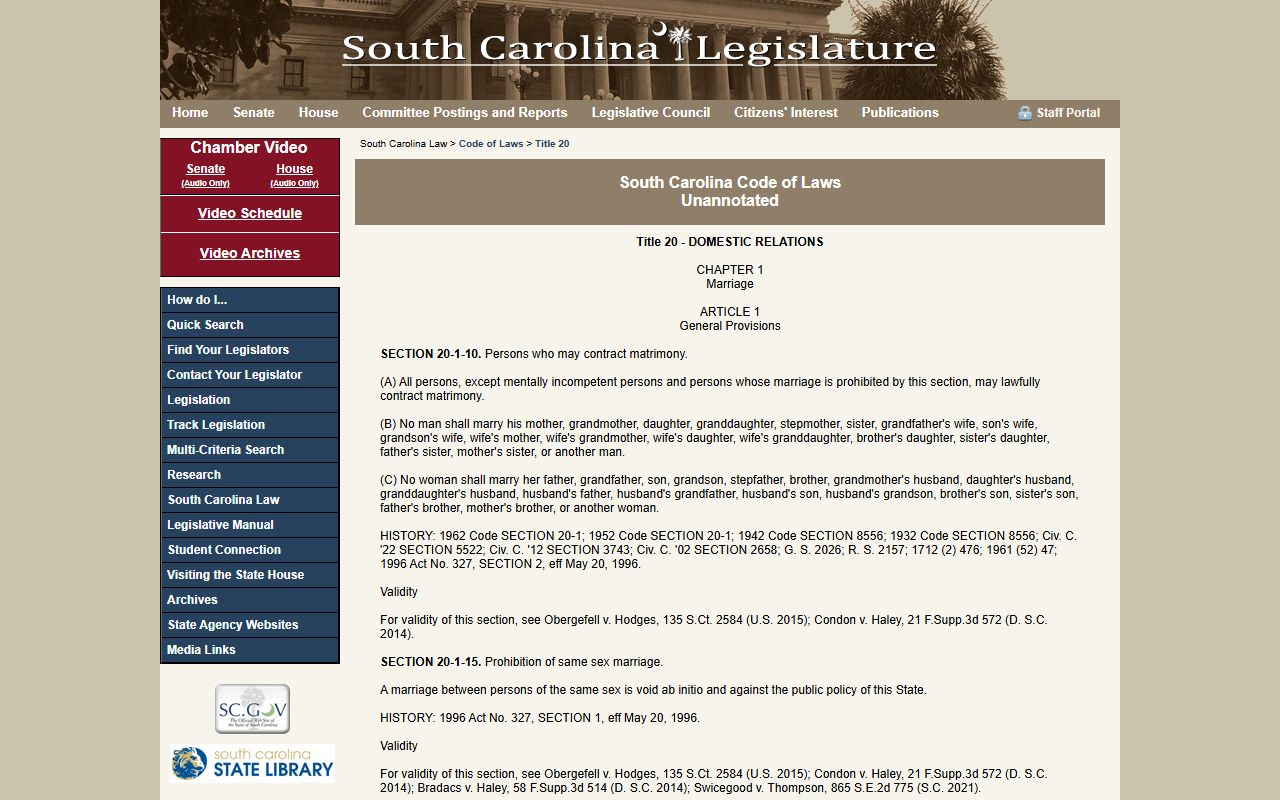
The relevant lesson for traffic records is source discipline: official pages still must match the record type being searched.
Note: For traffic tickets, Edgefield County Magistrate Court confirms online and mail options, but no phone payments are accepted.